
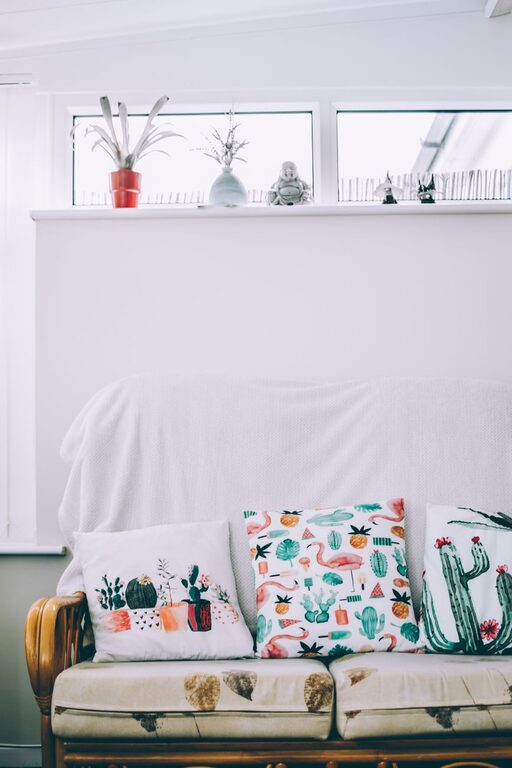
If you have a dark room in your home, you know how it can feel less inviting and even a bit gloomy. Luckily, there are many easy and affordable ways to brighten up a dark space without major renovations. Whether it’s a living room, bedroom, or office, adding light and a sense of openness can transform the atmosphere. This guide will share quick, practical ideas to make any dark room feel warmer, lighter, and more cheerful.
Why Do Rooms Feel Dark?
Before diving into solutions, it helps to understand common reasons why some rooms lack brightness:
– Small or few windows limiting natural light
– Dark wall colors and flooring absorbing light
– Heavy or dark furniture blocking light flow
– Minimal or poor artificial lighting
– Clutter or heavy curtains blocking light sources
Now, let’s explore how to tackle these issues step-by-step.
Use Light and Reflective Colors
Paint Walls in Light, Neutral Shades
One of the easiest and most impactful changes is painting your walls lighter colors. Whites, creams, pastels, or soft grays reflect more natural and artificial light than darker tones. These colors create the illusion of more space and openness.
– Avoid deep hues or heavily saturated colors in dark rooms.
– Opt for paint finishes like satin or eggshell that reflect more light than matte.
– If you’re feeling bold, pick one accent wall with a slightly brighter color while keeping others neutral.
Choose Light-Colored Flooring and Rugs
Dark floors can soak up light and make a room feel smaller. If replacing flooring isn’t an option, use light-colored area rugs to brighten the space. Rugs with patterns in whites, beiges, soft blues, or greys can help bounce light around.
Maximize Natural Light
Keep Windows Clear and Simple
Natural light is the best way to brighten a room. To maximize it:
– Remove heavy, dark curtains and replace them with sheer or light-colored curtains.
– Clean windows regularly to let in the most sunlight.
– Avoid placing large furniture or items directly in front of windows blocking light.
Add Mirrors to Reflect Light
Mirrors are a classic trick to increase brightness as they reflect both natural and artificial light.
– Position large mirrors directly opposite windows.
– Use multiple smaller mirrors arranged creatively on walls.
– Choose framed mirrors with light or metallic finishes to enhance the effect.
Optimize Artificial Lighting
Layer Your Lighting
Relying on just one overhead light can leave corners dim. Layer your lighting with:
– Ambient lighting: ceiling fixtures, chandeliers, or recessed lights.
– Task lighting: desk lamps, reading lights, or under-cabinet lights.
– Accent lighting: LED strips, wall sconces, or decorative lamps.
Adding multiple light sources creates a warm, inviting atmosphere and fills shadowy areas.
Use Bright, Warm Bulbs
Choose LED bulbs with a high lumen output but warm color temperature (around 2700K to 3000K). Warm white light feels cozy and natural.
– Avoid harsh, cool tones that can make a room feel sterile.
– Dimmer switches allow you to control brightness throughout the day.
Choose Furniture and Decor to Lighten the Space
Select Light or Transparent Furniture
Heavy, dark furniture adds visual weight to a room. Instead:
– Pick light wood tones, white, or pastel-painted pieces.
– Use glass or acrylic furniture that reflects light and doesn’t block sightlines.
– Keep furniture streamlined and minimal to avoid clutter.
Incorporate Metallic and Glossy Accents
Metallic finishes like gold, silver, or chrome accents on lamps, picture frames, and decor reflect light well.
– Glossy or lacquered surfaces also help bounce light.
– Avoid too many matte or fabric-heavy items that absorb light.
Declutter and Organize
A cluttered space can feel darker and cramped. Keep your dark room tidy and organized to improve flow and light reflection.
– Store items out of sight in bins or cabinets.
– Choose multi-purpose furniture with hidden storage.
– Keep surfaces like tables and shelves clear or decorated with just a few light-colored items.
Add Plants for Freshness and Lightness
Plants can enliven a dark room by adding texture and color. Use smaller plants in light-colored pots or hanging planters near windows to keep visual airiness.
– Avoid overcrowding with large plants that block light.
– Choose plants that thrive in low light if natural sunlight is limited.
Final Tips for Brightening a Dark Room
– Rearrange furniture to open pathways for light to flow.
– Use light-colored bedding, cushions, and throws.
– Incorporate artwork with bright colors and reflective frames.
– Consider sheer room dividers instead of solid ones.
—
Brightening a dark room doesn’t have to involve costly renovations. By using lighter colors, maximizing natural and artificial light, and choosing the right furniture and decor, you can quickly and easily transform your space into a welcoming haven filled with light. Start small with one or two changes and enjoy how your room feels fresher and more vibrant.